The structural features of the instrument largely determined its performing repertoire. In the period under consideration, works of folk creativity and works by professional musicians prevailed, allowing the widest range of human emotions to be conveyed.
Folk music
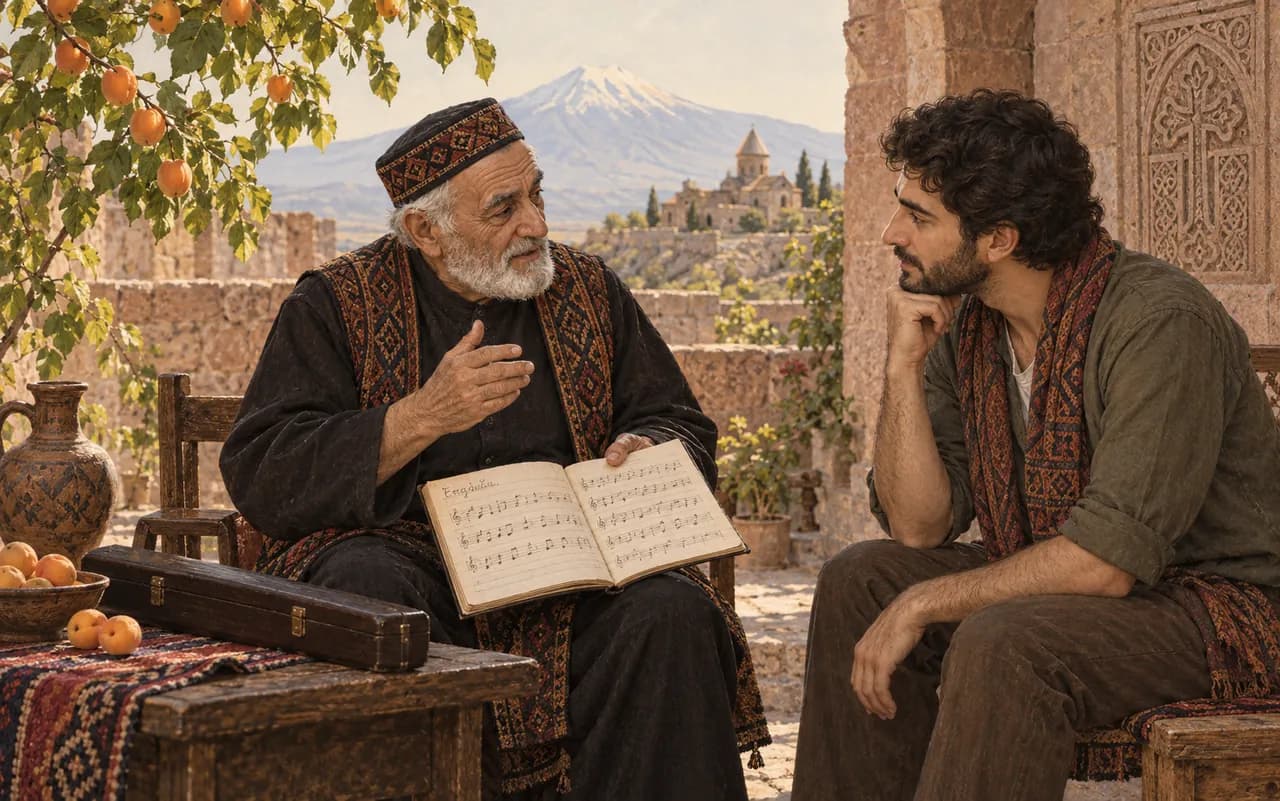
By content, the duduk repertoire can be divided into professionally written and folk music. It was folk songs that took a significant place — thanks to the tradition of monophony in Armenia. The repertoire also included works by famous gusans and ashugs.
Genre variety
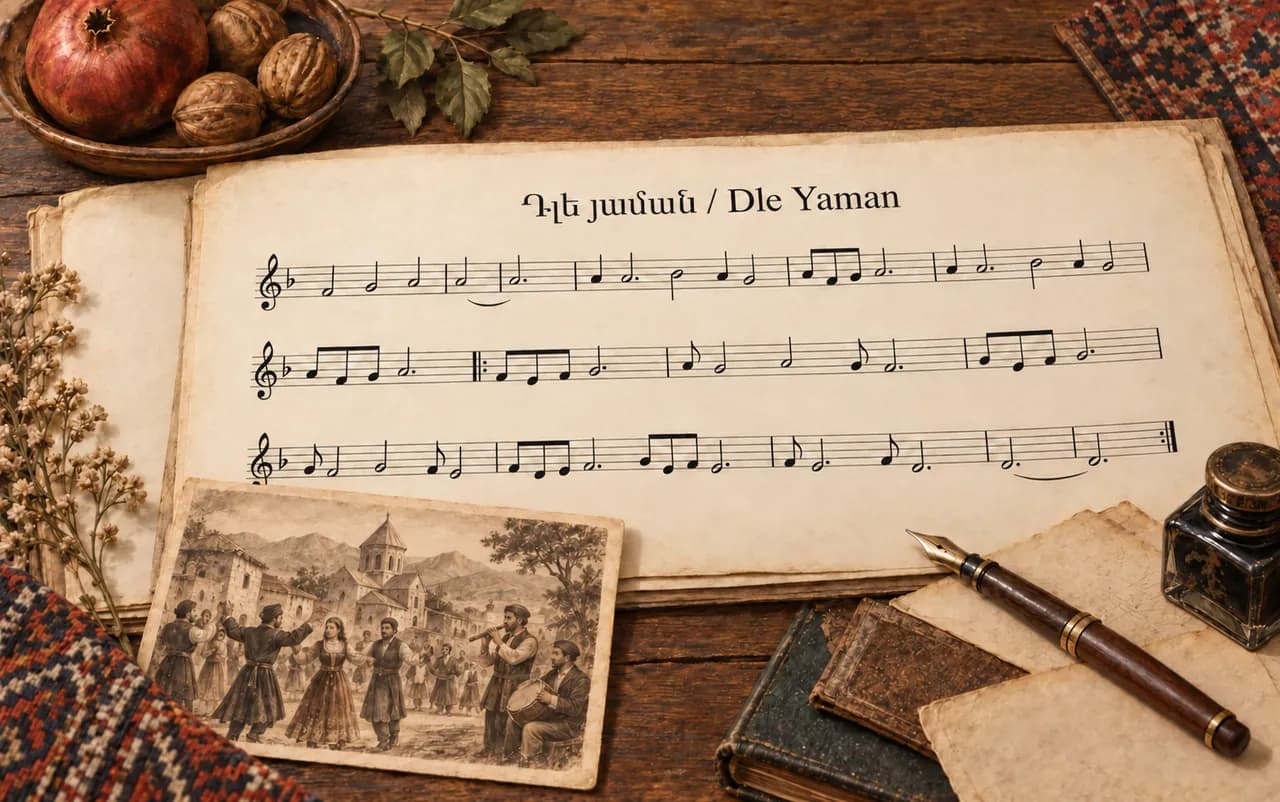
The repertoire covers songs, rituals, dances and sacred chants. Among the dance music, the most popular are "Shalakho", "Kochari" and "Tarakyama".
Ensemble playing
Traditionally duduks are played in pairs — a solo and a "dam" (a drone voice). Experiments were also conducted with polyphonic ensembles, including three- and four-part line-ups that expanded the instrument's musical possibilities.